 Marcel Headlam
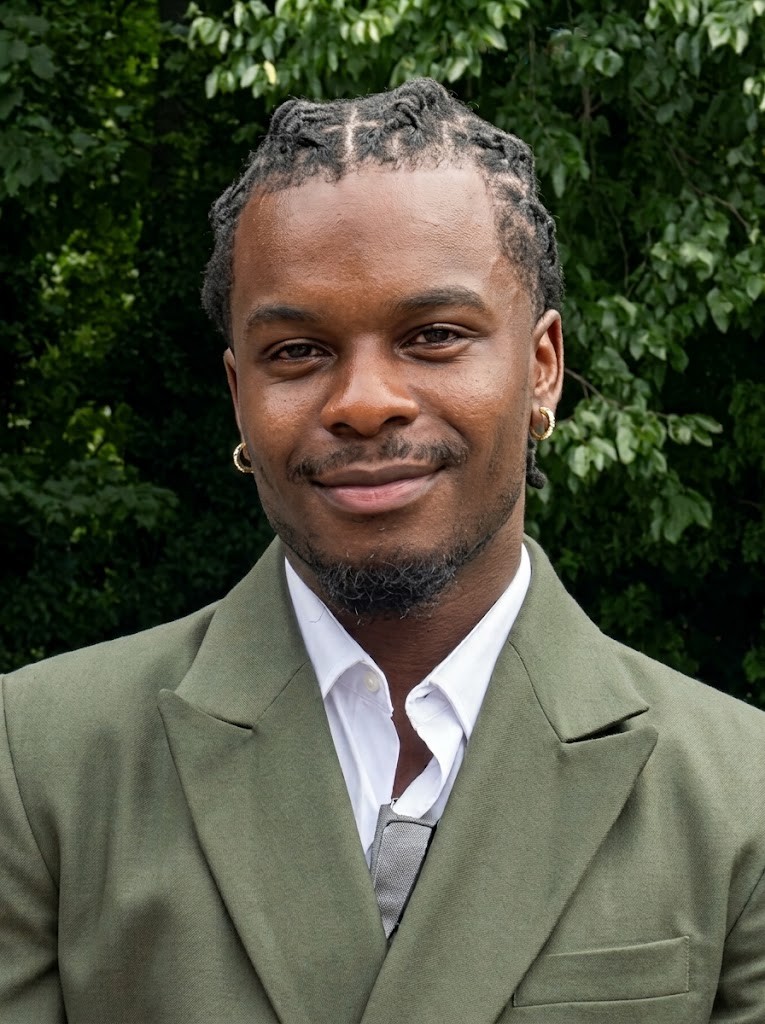
Hi, I'm Marcel.
Here's how I got here, and why I think the human should stay in charge.
I spent years in jobs where the numbers were easy and the decisions were hard. Then AI arrived and made the numbers even easier. This is the story of what I learned about the decisions.
The story so far
The short version, in order.
- 0110+ years
Numbers, money and decisions
My first proper job was as a Statistical Officer at the Ministry of Defence. Then I moved into finance, at St James's Place and Gravis Capital Management. Later came sales and go-to-market work, which means getting a product to its buyers. I spent over 10 years in rooms full of spreadsheets, models and reports.
Those years taught me what I still believe about AI. The numbers are never the hard part. The hard part is the person who has to decide what to do with them.
- 02The first prompt
A Drake song, by Shakespeare
The first thing I ever asked ChatGPT had nothing to do with work. I asked it to write a Drake song as if Shakespeare had written it.
It was ridiculous, and it was good. That was the moment I realised ChatGPT wasn't a search engine. It was something new, and I wanted to know what else it could do.
- 03At university
The sources that didn't exist
I used AI to help with a paper at university. The AI gave me sources with authors, titles and years, all perfectly set out. Some of them didn't exist. I came very close to handing the paper in, and I almost got caught out.
That was the day I stopped asking whether to use AI. I started asking who's in charge when I do.
- 042023
The first shortcuts
In 2023 I started setting up simple automatic tasks in Make, a tool that links apps together. An email got sorted here, a form got filled in there. These were small jobs that nobody would miss doing by hand.
That became EverydAI. I run workshops on the work people actually do. I also build tools made to fit how people already work. Every build follows one rule. AI does the repetitive part, and a person keeps the final say.
- 052026
How AI actually works
Then I went and learned how AI actually works, from the inside. It turns out those made-up sources weren't lies. The AI was predicting what a source should look like. Knowing that changed how I use AI every day.
- 062026
Building FullMarks AI
Next I built FullMarks AI, a GCSE maths tutor app for Android phones. The tutor refuses to give you the answer. The tutor asks you questions, one step at a time, until you find the answer yourself. Teachers call this the Socratic method.
The tutor asks questions in the style of the real exam, so practice feels like the day itself. The tutor runs on Claude, the AI made by Anthropic.
Building FullMarks AI taught me what makes an AI tutor worth using. The tutor has to know the exam, not just the subject. The tutor also has to hold back the answer, even when a student asks for the answer outright. The student does the thinking, and the AI does the checking.
That work is now the heart of my training for schools. Teachers build the same kind of tutor for their own subject, in under an hour.
- 07Ongoing
50+ organisations
Since then I've worked with 50+ organisations, from one-person businesses to teams.
The same thing happens every time. People see what's possible, then realise AI is actually not that hard to use. They don't need more tools. They need one method they trust, and permission to keep the parts that are theirs.
- 08Looking ahead
What's next
A new guide every week, more workshops, and more talks. The goal is simple. I want to teach as many people as I can to use AI without losing their humanity.
Why human-led
The idea behind every guide, workshop and build.
Shape AI. Don't let it shape you.
AI is already here. AI is in the apps you use, the job you do and the way children study. So the question isn't whether to use AI. The question is who leads.
There are two easy mistakes. The first is to hand everything over. Then the work stops being yours. Your voice goes flat, your judgement goes unused, and a smooth answer starts to look like a good one. The second is to refuse AI altogether. Then you spend your effort on things that were never the point.
The way that holds up sits between them. Let AI draft, find and suggest. Keep the judgement, the taste and the final say for yourself. AI is the co-pilot, and you stay the driver.
Get this right and AI hands you back time for the work only you can do. Get it wrong and we give away our judgement one small habit at a time. We don't notice until our judgement is gone. The tools are the same either way. What changes is who's deciding.
That's why every guide here has the same shape. Each guide gives you one method you can try today, where the method falls short, and what stays yours. I'm not selling fear, and I'm not selling hype. I'd rather you used AI every day, on your terms, and still felt the work was yours.
On a more personal note
The bits that have nothing to do with AI.
- Always
Chelsea
I'm a Chelsea supporter, and I follow football all the way down the grassroots pyramid.
- Home
London
One of the most diverse cities in the world. It will always be my home.
- 2026
Going all in
It started with helping my family and friends make sense of AI. In 2026 I went all in on making content about AI. I did that because AI is challenging, and quietly changing, what it actually takes to be human. I think everyone deserves a say in that.
Say hello
The best way to reach me is by email at marcel@theeverydai.com. For a workshop or a build, book a call. Or start with the guides, which are free.